
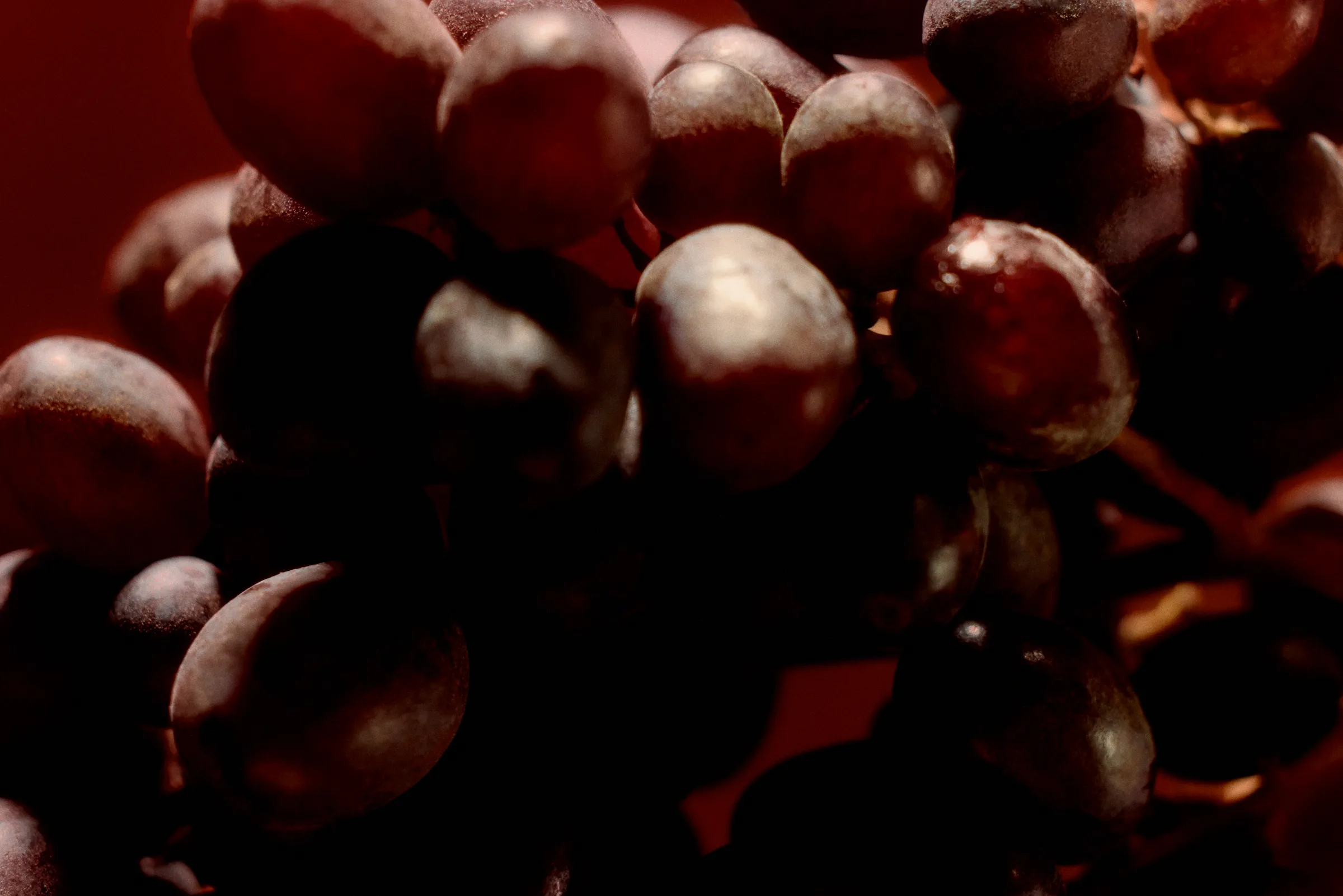
Vineyard & Winery
Grown from the High Plains
Four hundred acres at 3,305 feet in the Texas High Plains AVA, planted in 1997. Sandy loam over deep limestone, thirty-four varietals, and a winery standing on the same dirt that grows the fruit.
01 — The Site
Read the soil first.
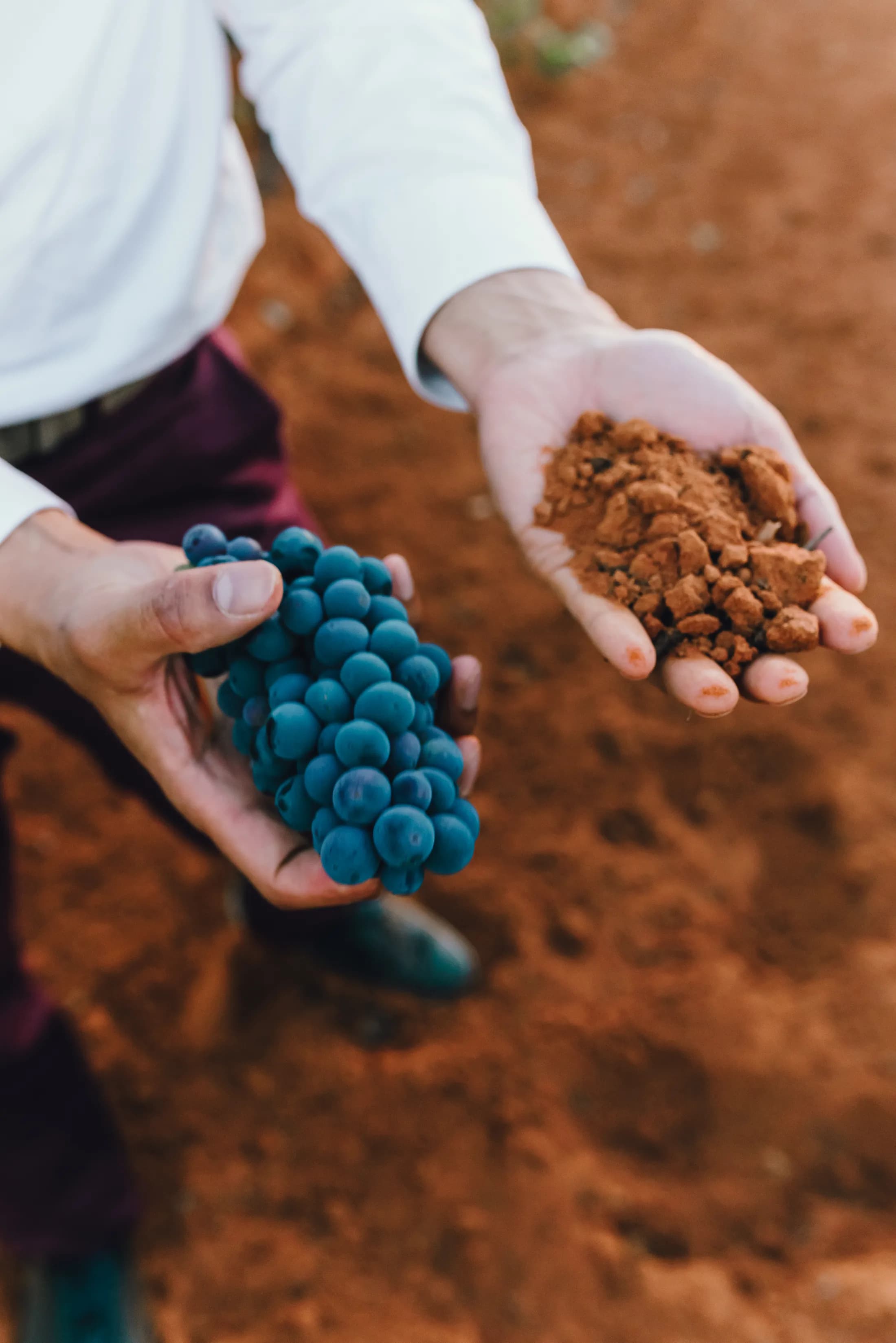
Dr. Vijay Reddy holds a PhD in soil and plant science, and he chose this ground on the science and his intuition. Sandy loam over deep limestone deposits drains hard and holds just enough — vines have to reach, and reaching is what concentrates fruit.
Elevation does the rest. At 3,305 feet the days are hot and the nights fall away, and that swing is why High Plains fruit ripens fully without losing its acid.
3,305 ft
Elevation
400
Estate acres
34
Varietals planted
1997
First vines
02 — How We Farm
Do less, and do it on time.
Sustainable here is not a marketing position, it is what the climate allows. Dry air and constant wind mean we spray less than almost anywhere else growing vinifera.
Minimal intervention
We farm to let the site speak. Fruit thinning and canopy management do most of the work, so the fruit arrives balanced rather than corrected in the cellar.
Wind as a tool
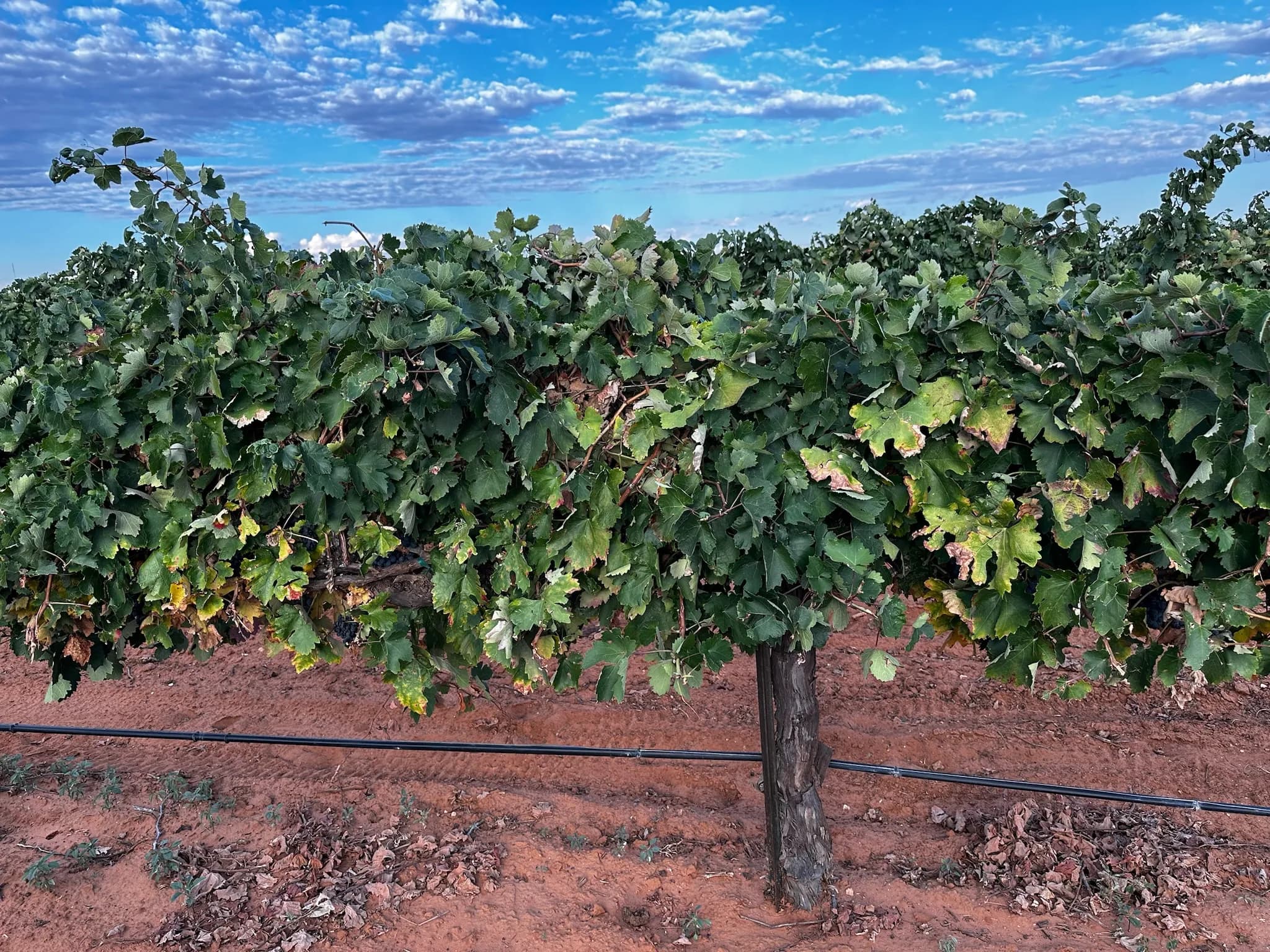
Strong High Plains winds dry the vines and soil after rain, which markedly reduces disease pressure and our need for pesticides.
Drip irrigation
Water is applied precisely and sparingly. Deficit irrigation drives roots deeper, and deep-rooted vines give more concentrated fruit.
Pellenc & hand harvesting
Our Pellenc harvester picks cleanly and quickly — often at night — so fruit reaches the crush pad cool and intact. Blocks that need a gentler touch come in by hand. The call is made block by block, on the varietal and on what the fruit is doing that year.
03 — Why It Matters
Harder ground
than Bordeaux.
Set our numbers against the regions everyone already trusts and the picture is unambiguous. We farm eight times higher than Bordeaux, in wind that runs to sixty miles an hour, across a hundred-degree temperature range.
Vines under that much stress yield less and concentrate more — and because it is dry and windy, disease pressure stays low enough that we barely spray. The hardship is the point.
| Category | Reddy Vineyards | Bordeaux | Tuscany | Rioja |
|---|---|---|---|---|
| Elevation | 3,305 ft | 0–415 ft | 300–1,650 ft | 1,000–2,000 ft |
| Soil composition | Sandy loam, clay, limestone | Gravel, clay, limestone | Clay, marl, limestone | Clay-limestone, alluvial |
| Climate type | High desert / continental | Maritime | Mediterranean | Continental–Mediterranean |
| Diurnal shift | Extreme — hot days, cold nights | Moderate | Moderate | Moderate–high |
| Temperature range | 10°F – 110°F | ~35°F – 95°F | ~30°F – 100°F | ~25°F – 100°F |
| Rainfall | Low, controlled irrigation | Moderate–high | Moderate | Low–moderate |
| Wind | Up to 60 mph | Mild–moderate | Moderate | Moderate |
| Winter stress | Yes — regular winter dormancy | Rare | Occasional | Occasional |
| Growing season stress | High — wind, heat, cold | Moderate | Moderate | Moderate |
| Disease pressure | Low — dry and windy | High — humidity | Moderate | Moderate |
| Flavor impact | High concentration, structure, freshness | Elegance, balance | Texture, acidity | Power, spice |
| Farming implication | Low yields, resilient vines | Disease management critical | Site selection critical | Heat management critical |
Elevation
3,305 ft
Reddy Vineyards
- Bordeaux
- 0–415 ft
- Tuscany
- 300–1,650 ft
- Rioja
- 1,000–2,000 ft
Soil composition
Sandy loam, clay, limestone
Reddy Vineyards
- Bordeaux
- Gravel, clay, limestone
- Tuscany
- Clay, marl, limestone
- Rioja
- Clay-limestone, alluvial
Climate type
High desert / continental
Reddy Vineyards
- Bordeaux
- Maritime
- Tuscany
- Mediterranean
- Rioja
- Continental–Mediterranean
Diurnal shift
Extreme — hot days, cold nights
Reddy Vineyards
- Bordeaux
- Moderate
- Tuscany
- Moderate
- Rioja
- Moderate–high
Temperature range
10°F – 110°F
Reddy Vineyards
- Bordeaux
- ~35°F – 95°F
- Tuscany
- ~30°F – 100°F
- Rioja
- ~25°F – 100°F
Rainfall
Low, controlled irrigation
Reddy Vineyards
- Bordeaux
- Moderate–high
- Tuscany
- Moderate
- Rioja
- Low–moderate
Wind
Up to 60 mph
Reddy Vineyards
- Bordeaux
- Mild–moderate
- Tuscany
- Moderate
- Rioja
- Moderate
Winter stress
Yes — regular winter dormancy
Reddy Vineyards
- Bordeaux
- Rare
- Tuscany
- Occasional
- Rioja
- Occasional
Growing season stress
High — wind, heat, cold
Reddy Vineyards
- Bordeaux
- Moderate
- Tuscany
- Moderate
- Rioja
- Moderate
Disease pressure
Low — dry and windy
Reddy Vineyards
- Bordeaux
- High — humidity
- Tuscany
- Moderate
- Rioja
- Moderate
Flavor impact
High concentration, structure, freshness
Reddy Vineyards
- Bordeaux
- Elegance, balance
- Tuscany
- Texture, acidity
- Rioja
- Power, spice
Farming implication
Low yields, resilient vines
Reddy Vineyards
- Bordeaux
- Disease management critical
- Tuscany
- Site selection critical
- Rioja
- Heat management critical
04 — What’s Planted
Thirty-four varietals,
block by block.
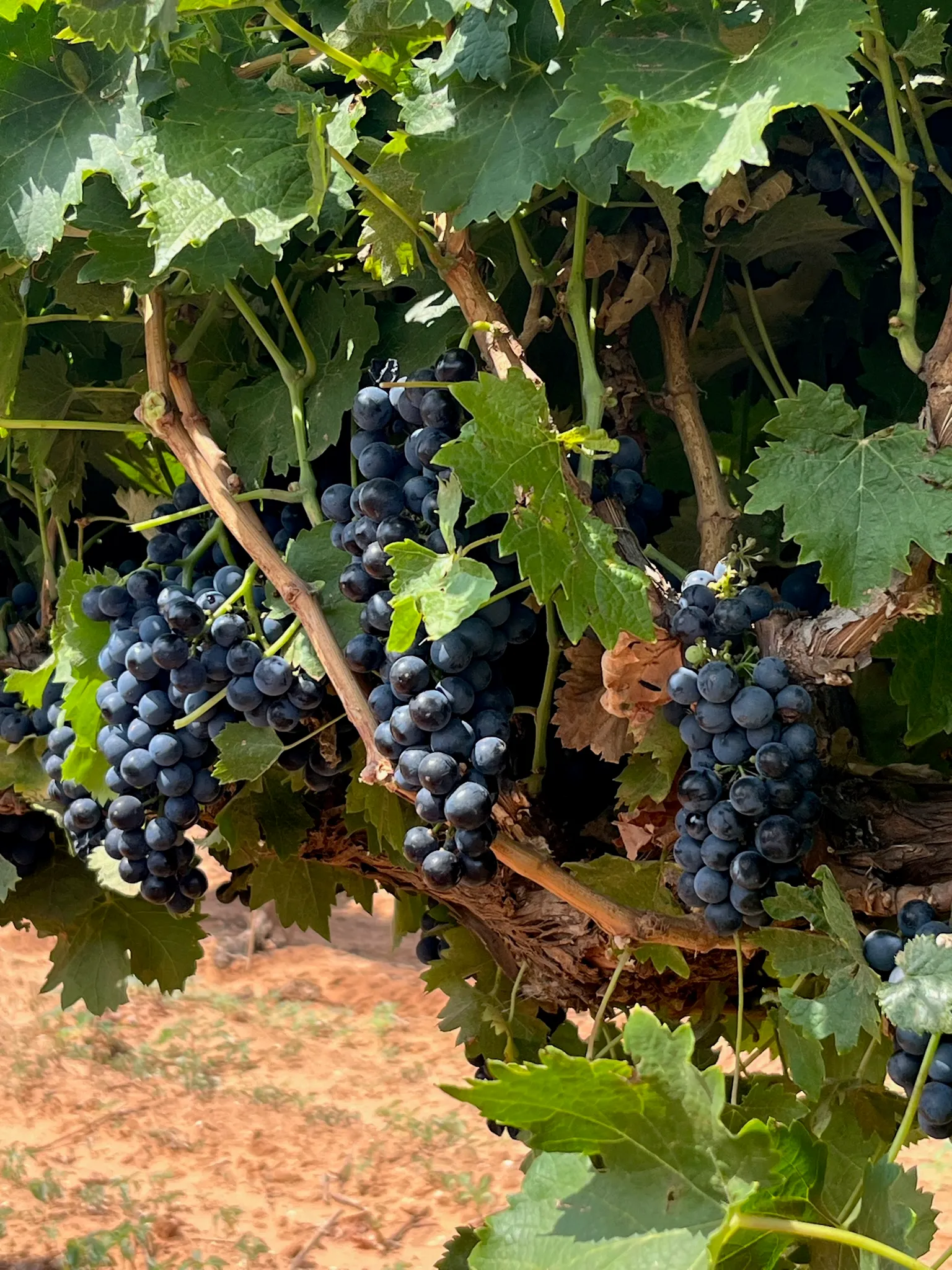
Bordeaux, the Rhône, Iberia, and southern Italy — planted where each performs, and recorded block by block for nearly three decades. Fruit is sold by the ton on contract.
Request grape availability →Red varietals
- Cabernet SauvignonBordeaux, France
- Cabernet FrancBordeaux, France
- MerlotBordeaux, France
- Petit VerdotBordeaux, France
- MalbecCahors, France
- TempranilloRioja & Ribera del Duero, Spain
- Touriga NacionalDouro, Portugal
- SyrahNorthern Rhône, France
- Petite SirahFrance (Durif)
- TannatMadiran, France
- SangioveseTuscany, Italy
- AglianicoCampania & Basilicata, Italy
- MontepulcianoAbruzzo, Italy
- BarberaPiedmont, Italy
- NegroamaroPuglia, Italy
- SagrantinoUmbria, Italy
- RefoscoFriuli, Italy
- Alicante BouschetFrance
- CarignanAragón, Spain & Languedoc, France
- CinsaultLanguedoc, France
- ZinfandelCroatia, via California
- Pinot NoirBurgundy, France
White varietals
- Sauvignon BlancLoire & Bordeaux, France
- AlbariñoRías Baixas, Spain
- ViognierNorthern Rhône, France
- RoussanneNorthern Rhône, France
- MarsanneNorthern Rhône, France
- Picpoul BlancLanguedoc, France
- RieslingRheingau, Germany
- GewürztraminerAlsace, France
- Muscat BlancGreece & Southern France
- Orange MuscatSouthern France
- TrebbianoItaly
- Pinot GrigioNorthern Italy & Alsace
05 — The Winery
Minutes from vine
to press.
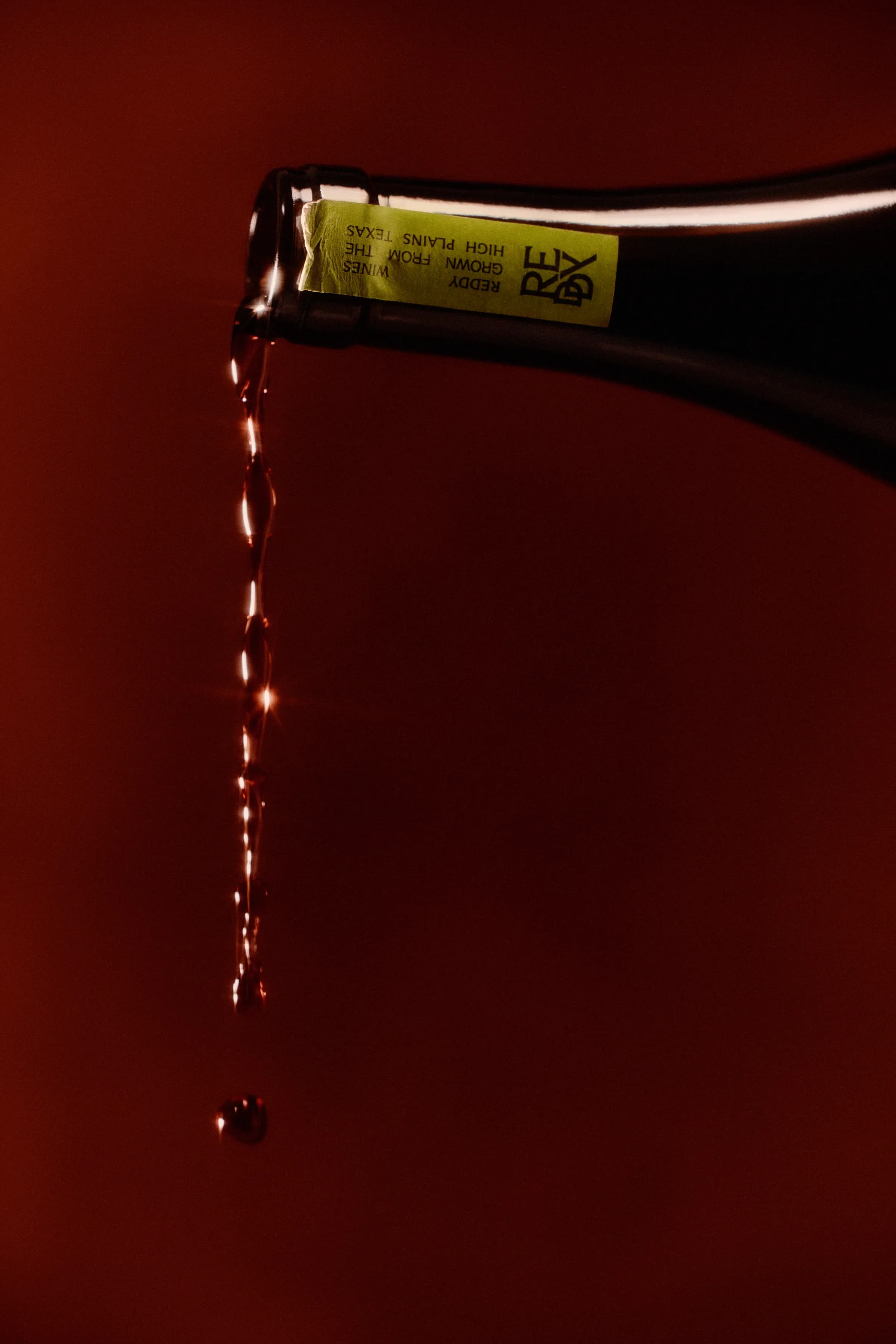
A state-of-the-art facility on the estate itself. Proximity is the point — the less distance and time between picking and processing, the less you have to do to the wine afterwards.
On the same ground
The winery sits on the estate. Fruit goes from vine to press in minutes rather than hours, which is the single biggest thing you can do to avoid intervention later.
Stainless and French oak
Temperature-controlled stainless for aromatic whites and fermentation control; French oak barrels where a wine benefits from time and air.
Lighter packaging
We moved to lightweight glass and eliminated plastic capsules — less weight to freight, less material to discard.